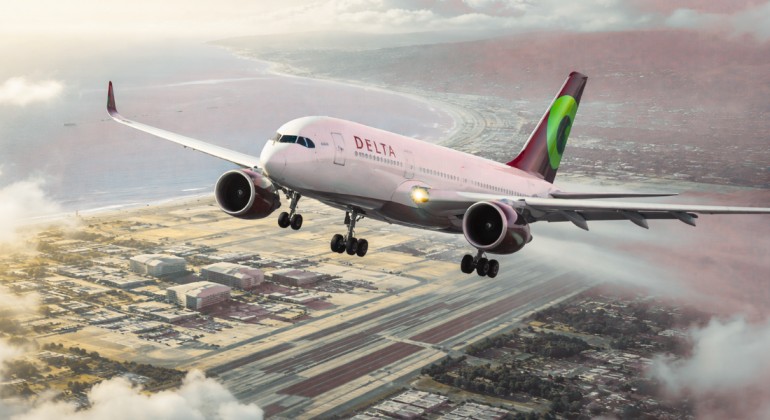
Los Angeles, CA – Delta Flight DL275, an international service from Detroit to Tokyo, diverted to Los Angeles International Airport after pilots identified a warning related to the aircraft’s engine anti-ice system, according to the airline.
The flight, operated by Delta Air Lines, was carrying more than 200 passengers aboard an Airbus A350 when the issue was detected while the aircraft was en route over the Pacific Ocean. The plane landed safely in Los Angeles, and no injuries were reported.
What Prompted the Diversion
The decision to divert was made after flight instruments indicated a potential issue with the engine anti-ice system – a component designed to prevent ice buildup during high-altitude flight.
At cruising altitude, temperatures outside the aircraft can drop well below freezing. Moisture in the air can freeze and accumulate on engine components if not properly managed. Anti-ice systems are built to prevent this by maintaining controlled engine temperatures.
Although the aircraft remained fully operational, Delta determined that continuing across the Pacific without full system reliability would introduce unnecessary risk, particularly given the limited number of diversion airports available once aircraft move farther from land.
Industry safety procedures favor early, precautionary landings in such cases.
Why Los Angeles Was Selected
Los Angeles International Airport was selected for its operational capacity and technical readiness.
LAX is a major hub for Delta and is equipped to handle large international aircraft such as the Airbus A350. The airport offers long runways suitable for heavy, fuel-loaded jets, as well as specialized maintenance facilities and trained technical staff.
Air traffic controllers cleared the aircraft for arrival, allowing the jet to descend gradually and land without complication. The plane taxied to the gate under its own power, indicating that the diversion was precautionary rather than the result of an in-flight emergency.
Passenger Assistance and Rebooking
Following the landing, Delta activated its standard disruption response to support passengers affected by the diversion.
Passengers were provided with:
- Hotel accommodations and meal vouchers were required
- Rebooking options on alternate flights to Japan
- Timely updates through Delta’s mobile app and airport staff
Because the flight was international, Delta also coordinated with U.S. customs officials to manage passengers’ re-entry into the country.
The airline said it worked to minimize disruption while prioritizing passenger safety.
Aircraft Inspection and Oversight
After passengers deplaned, the aircraft was removed from active service for inspection.
Maintenance teams examined components related to the anti-ice system, including sensors and control valves. Data recorded during the flight was reviewed to determine the cause of the warning.
This information was shared with the aircraft manufacturer and the Federal Aviation Administration, in line with standard aviation safety reporting procedures.
Such data sharing enables airlines and regulators to identify trends and implement improvements across fleets.
Aviation Safety Context
Aviation experts note that diversions like DL275 reflect the industry’s conservative approach to safety.
Modern aircraft continuously transmit performance data during flight, enabling crews and operations centers to detect potential issues early. On long-haul routes, especially transpacific flights, decision-making thresholds are intentionally strict due to the scarcity of alternate landing options once aircraft cross certain distances from land.
While diversions can cause delays and inconvenience, they are considered a normal and expected part of long-distance flight operations.
FAQs
Why did Delta Flight DL275 divert to Los Angeles?
Delta Flight DL275 diverted to Los Angeles because pilots detected a warning in the engine anti-ice system. To avoid risk during a long Pacific crossing, the crew chose to land at the nearest fully equipped major airport.
Was Delta Flight DL275 in danger when it diverted?
No, Delta Flight DL275 was not in danger. The diversion was precautionary, and the aircraft landed safely without any injuries or emergency conditions.
What is an engine anti-ice system on a plane?
An engine anti-ice system keeps ice from forming on engine parts during high-altitude flight. Ice can affect airflow and engine performance, so the system is critical on long international routes.
Why do flights choose LAX when diverting over the Pacific?
Flights often choose Los Angeles International Airport because it has long runways, advanced maintenance facilities, and full support for large international aircraft like the Airbus A350.
What happened to passengers after Delta Flight DL275 landed?
After landing, Delta Air Lines provided hotel stays, meals, and rebooked passengers on alternate flights. The airline also coordinated customs procedures upon the flight’s return to the U.S.
Is it normal for international flights to divert for technical warnings?
Yes, it is normal. Airlines are trained to divert early when a system warning appears, especially on long flights over oceans where alternate airports are limited.
Who checks the aircraft after a flight diversion?
After a diversion, airline engineers inspect the aircraft and share findings with aviation regulators like the Federal Aviation Administration and the aircraft manufacturer to improve safety.
Summary
Delta Flight DL275’s diversion to Los Angeles underscores how international airlines manage technical alerts during long-haul operations. The decision aligned with established safety protocols and resulted in a controlled, uneventful landing.
Delta said the replacement flight to Tokyo departed after operational adjustments were completed.